






Interested in some plants that are both ornamental and edible? There are plenty of options that can grow here in the Midwest. With a little extra care and some ancient harvesting tips, you can proudly drink and serve tea straight from your own garden!
Peppermint: This very easy-to-grow plant is well known for its role in flavoring holiday treats and drinks and is just as easy to harvest for your own relaxing brews! Like other members of the mint family, peppermint does well in partial to full sun, but it is recommended to grow it in containers due to the fast spreading of its root system.
When the plant is looking bushy and healthy, harvest the stems as the plant begins to flower. Don’t be afraid of taking too much—the stems will grow back and allow for one or two more harvests. You can store these stems in a cup of water with plastic over the top in the fridge for fresh mint, or hang the entire stems to dry or or to extract the leaves to dry separately.
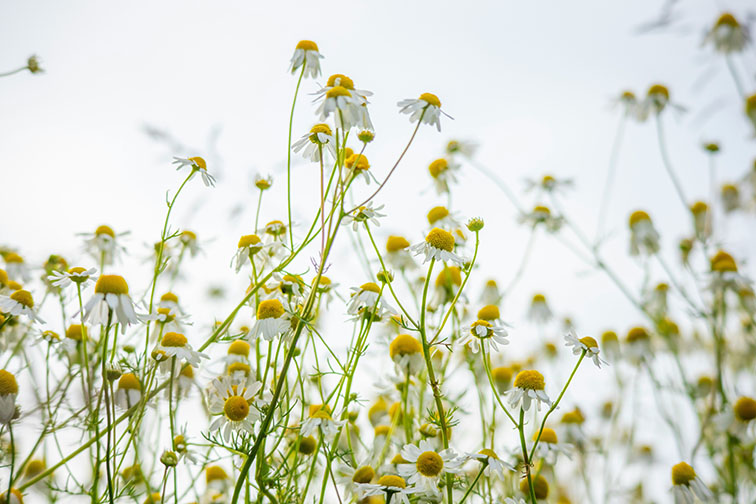
Chamomile: As a member of the daisy family, chamomile is a lovely flower that also has a variety of health benefits. To grow, make sure the plant has plenty of room to grow. Once the plant starts flowering, stems can get up to two feet tall. As an added bonus, chamomile flowers attract good pollinators, while deterring pests with its strong fragrance. The tea itself can even be used as a spray-on pesticide for other plants!
To harvest, pay attention to when the flowers’ petals start to arch backward toward the stem. You can use these flowers as well as the leaves of the plant to make a mild earthy-floral tea. Dry both out and store as usual. Drinking a cup of chamomile tea before bed is known to help you relax and get better sleep, and can even aid in digestion.
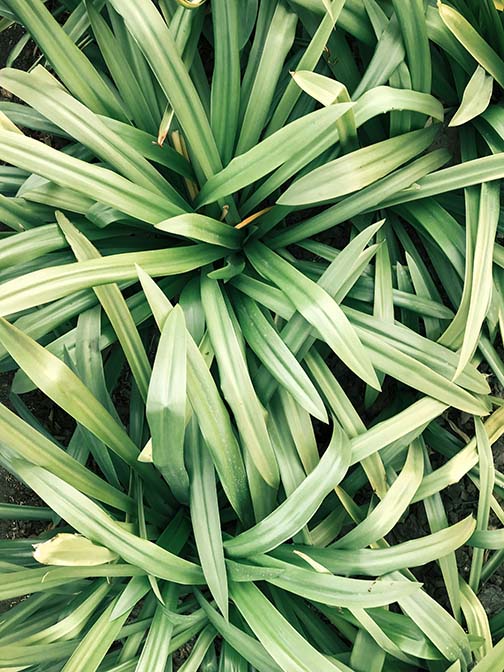
Lemongrass: This lesser known plant may surprise you—both in flavor and in ornamentality. Though it is a sub-tropical plant, lemongrass can be grown outdoors in the Midwest during the warm season with plenty of water. Make sure to give it lots of room, as it can get 2-3 feet tall and pretty wide.
You know when lemongrass is ready to harvest when the plant starts to get to it’s full height. Cut leaves down to the main stem, wearing gloves—the leaves are sharp like paper and can cut you. Hang them to dry, then cut into smaller segments as desired.
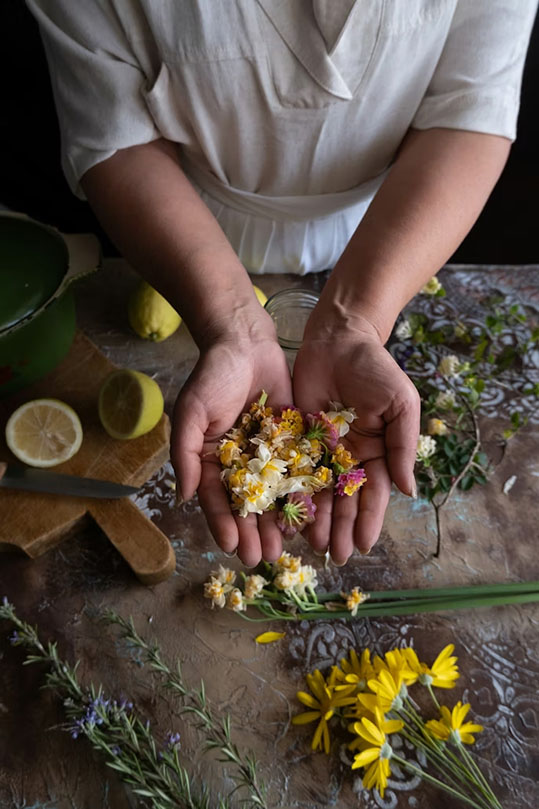
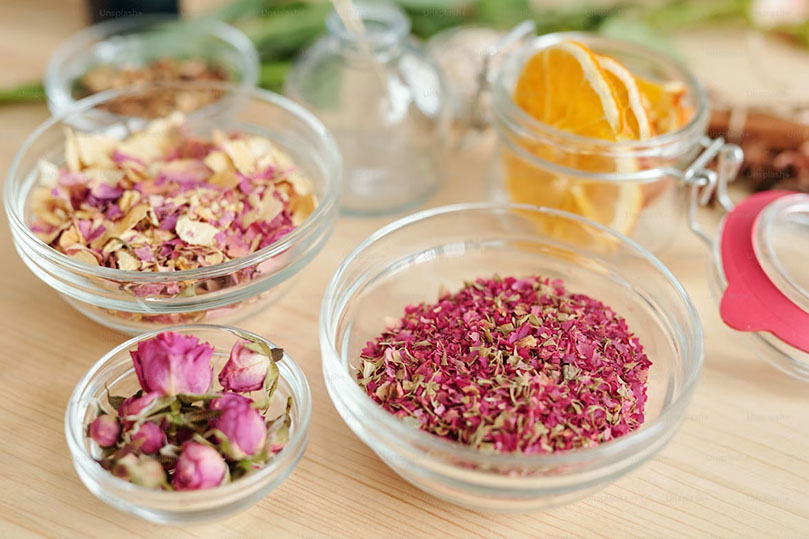
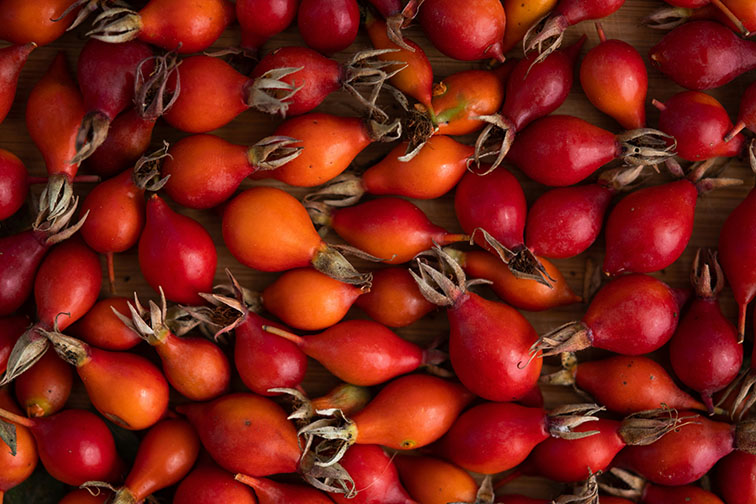
There are many other plants you may have around that can be used for tea as well. Dried lavender flowers make a lovely floral tea, as well as dried rose petals and rose hips, which are the seed pods that bud after the petals fall away. Elderflowers are another plant native to the Midwest that can be foraged—pick the flower clusters from the stem when they are in full bloom, dry them and then pick off the individual blooms to store.
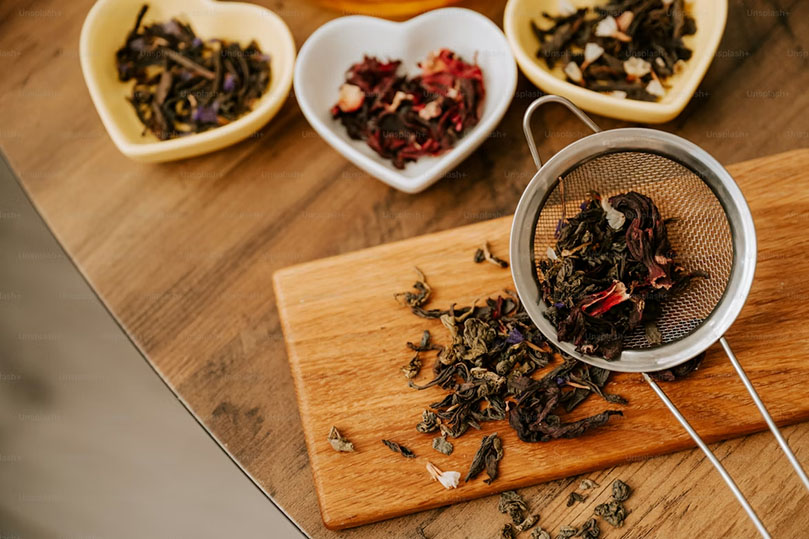
There are a few different methods of drying plants and flowers for tea. The first is the easiest—bundle stems of leaves or flowers together and hang upside down in a dry spot that is out of direct sun. If you want to dry just the individual leaves or flowers, spread them evenly on some parchment paper and cover with a thin towel to keep away dust. Both of these methods should take about two weeks depending on the moisture levels of your home. To speed up the process, you can put the leaves and flowers on a baking sheet in the oven on the lowest setting for a few hours. When they are crispy and brittle, you know they are fully dry. Store your tea ingredients in jars for up to several months of homegrown enjoyment!
