





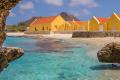
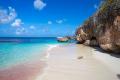
About 50 miles north of the coast of Venezuela lies a gem in the glittering turquoise waters of the Caribbean. Bonaire, an island in the Leeward Antilles, is a special municipality of the Netherlands. Together with nearby Aruba and Curaçao, the trio form the ABC Islands.
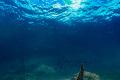
A laid-back desert island with a focus on the natural world, Bonaire’s main attraction lies offshore. Crystal-clear waters and spectacular coral reefs categorize Bonaire as one of the world’s top scuba diving destinations. Snorkeling is easy from multiple beach entry points.
Bonaire was the first Caribbean island to protect its surrounding seas with a marine park. Visitors to Bonaire pay a nature fee, which is required for anyone entering the waters for activities such as swimming, snorkeling, scuba diving or kayaking.
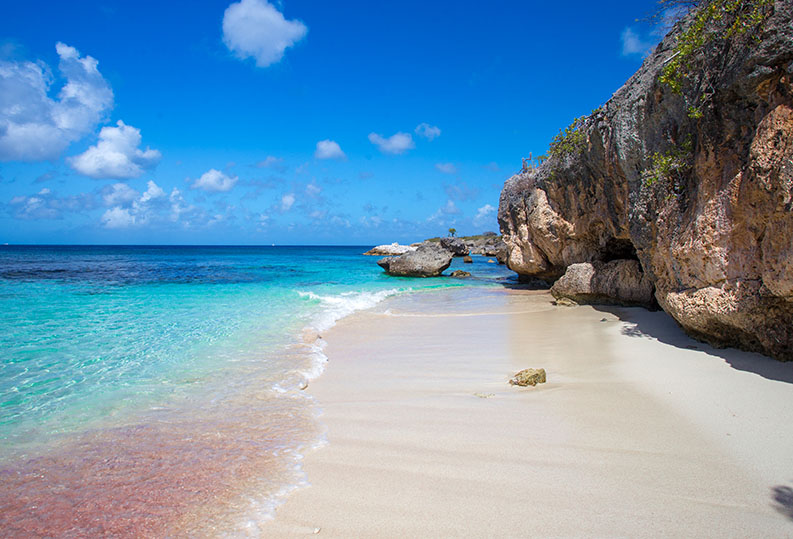
Another example of Bonaire’s focus on stewardship lies a half mile west. Klein Bonaire (Dutch for “Little Bonaire”) is an uninhabited islet. During the most recent attempt of islet development in the 1990s, locals raised $5 million to purchase the land and make Klein Bonaire part of the National Marine Park. Visitors can enjoy the islet’s natural setting (there is no running water or sanitation facilities) by snorkeling, swimming or just lazing on the white sandy beach. Public water taxis and private tour excursions provide access to Klein Bonaire multiple times a day.
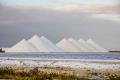
Bonaire is a cinch to explore. Book car rentals well in advance, especially if you want an automatic transmission, as those are rare. You can also rent a street-legal golf cart to tool around the capital city of Kralendijk or the island’s southern tip to see the gleaming white salt flats. Salt has been a major export since the 1600s when Bonaire became a plantation of the Dutch West India Company. Generations ago, stone huts too short for a man to stand upright in housed slaves who produced the salt. Several huts still stand in the area. Look for flamingos in any large bodies of shallow water throughout the island.
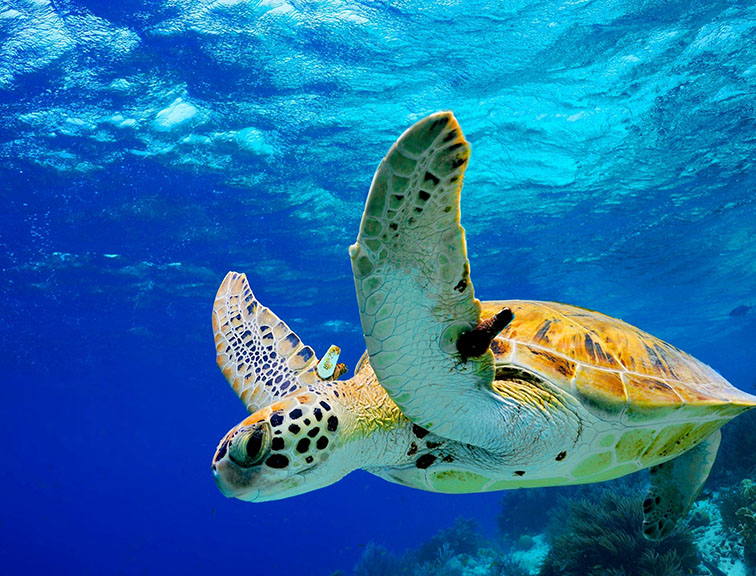
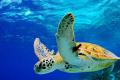
On the island’s east side, shallow Lac Bay is a wetland of special significance and home to three endangered species: the green turtle, the Queen Conch and mangrove trees. Guided kayak and snorkeling tours through the mangroves combine education with adventure.
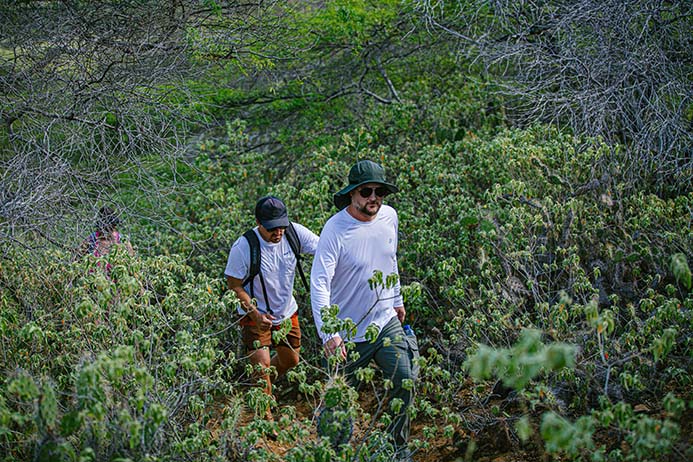
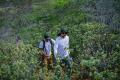
Travel north in a high-clearance vehicle to Washington Slagbaai National Park, which covers nearly 20 percent of the island. On the park’s two driving routes, roads can be rugged after the rainy season, but the hiking trails, stunning remote beaches with multiple diving and snorkeling spots, and preserved plantation buildings are well worth it.
The closest town to the national park entrance, Rincon was established in 1527 and is the home of Cadushy Distillery, who make the world’s only liqueur made from cactus. Enjoy sips on the patio shaded by large trees and watch the parrots who make their homes in them.
For the adventurous traveler seeking experiences in nature, consider this Blue Destination any time of year. Bonaire lies below the hurricane belt, so it is rarely impacted by stormy weather. Trade winds keep temperatures comfortable year-round.
