

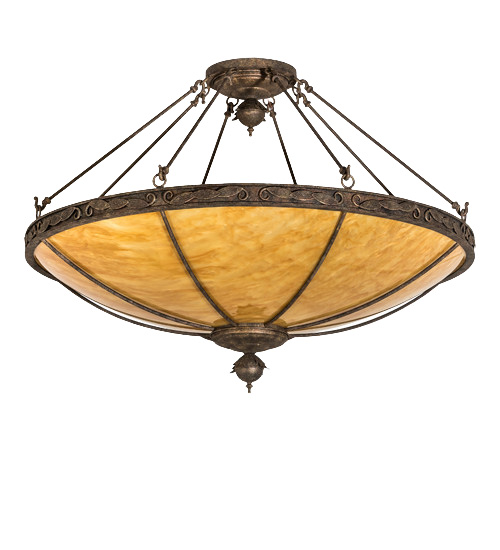
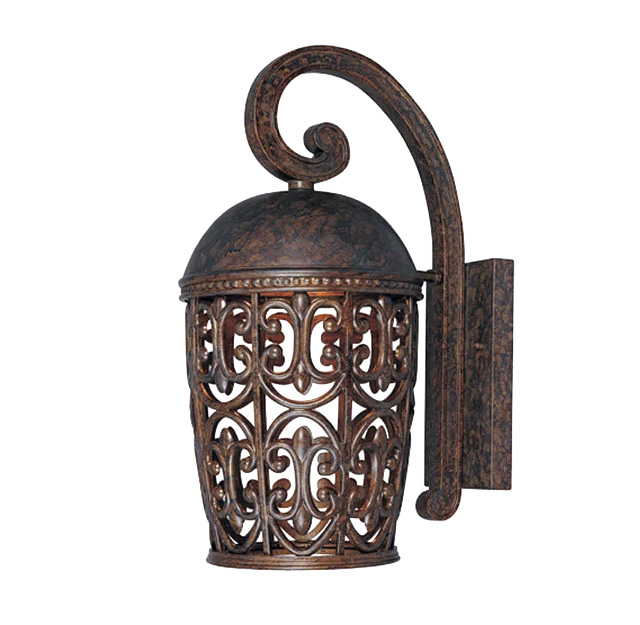
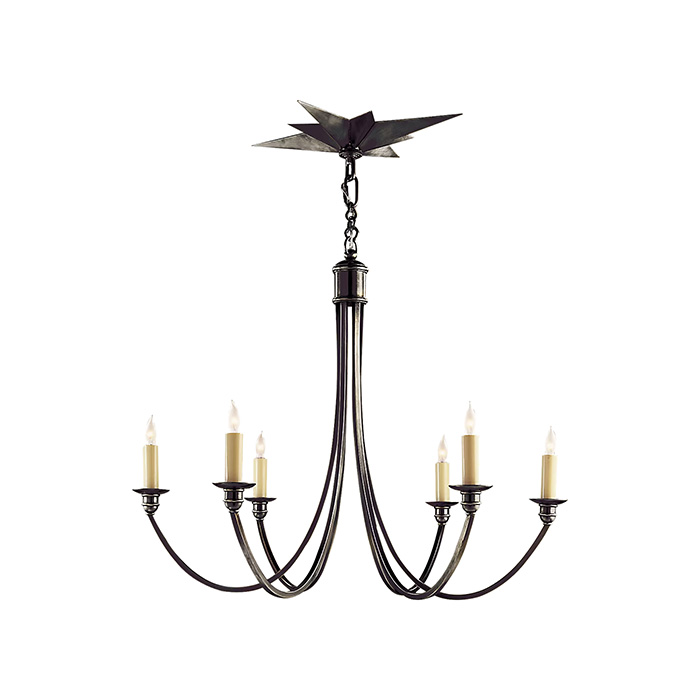
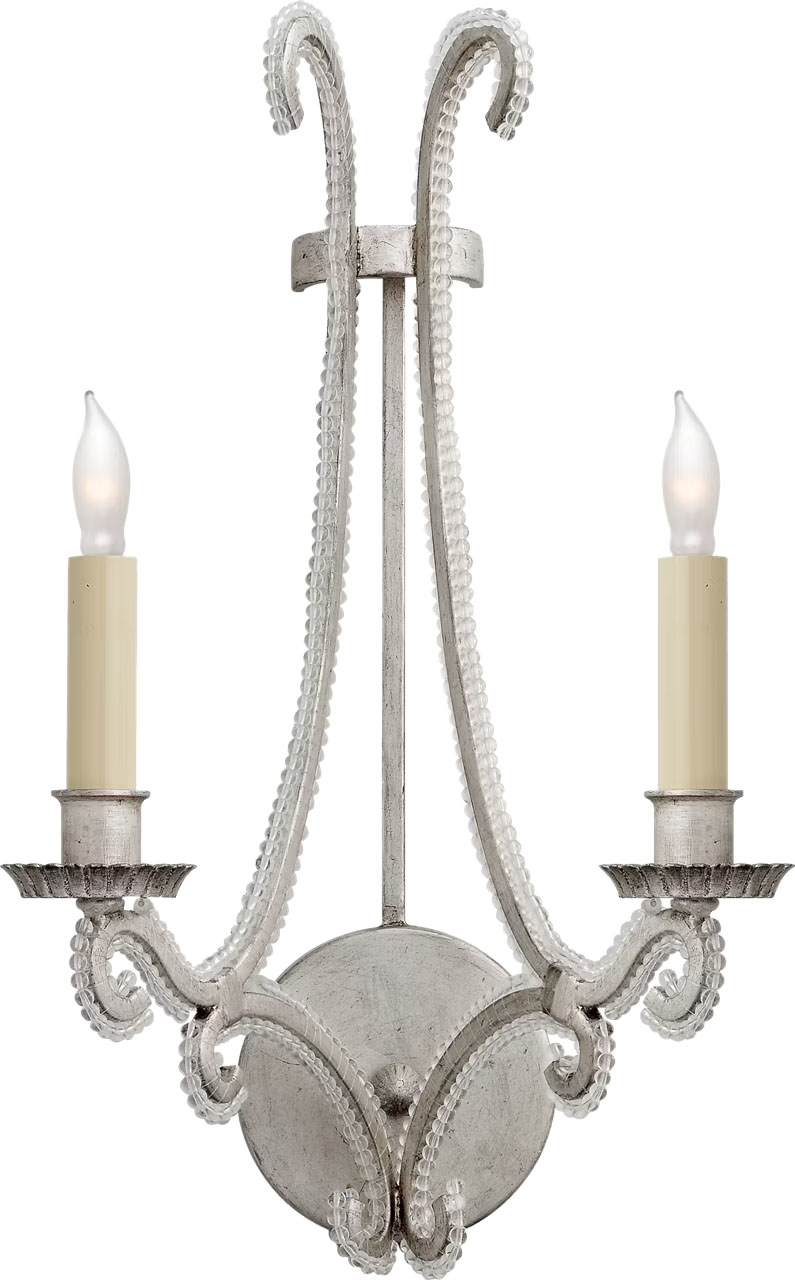
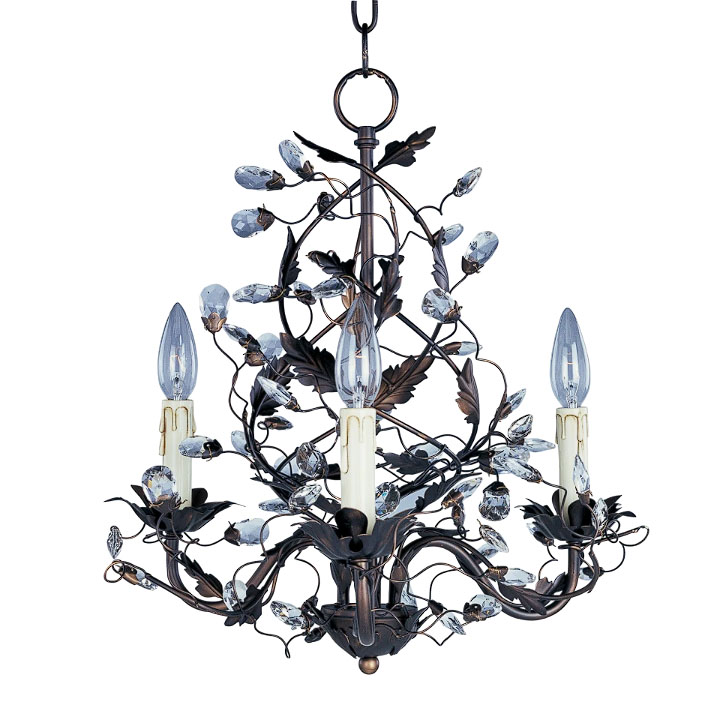
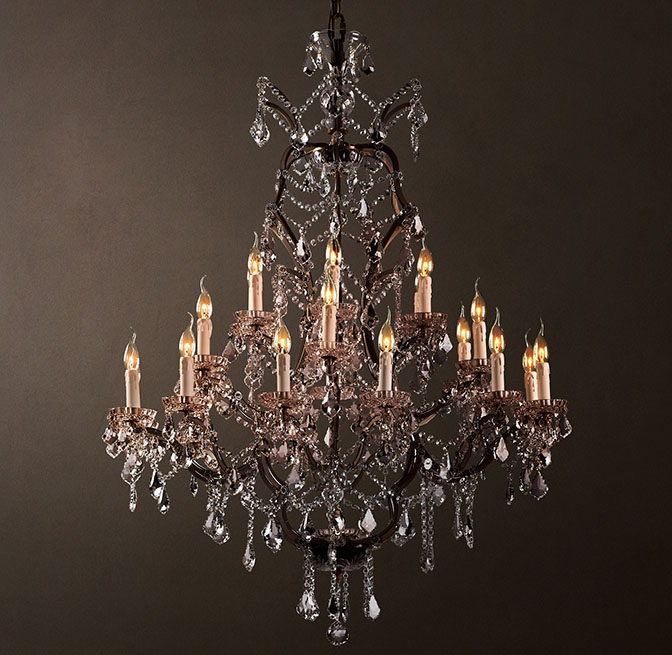
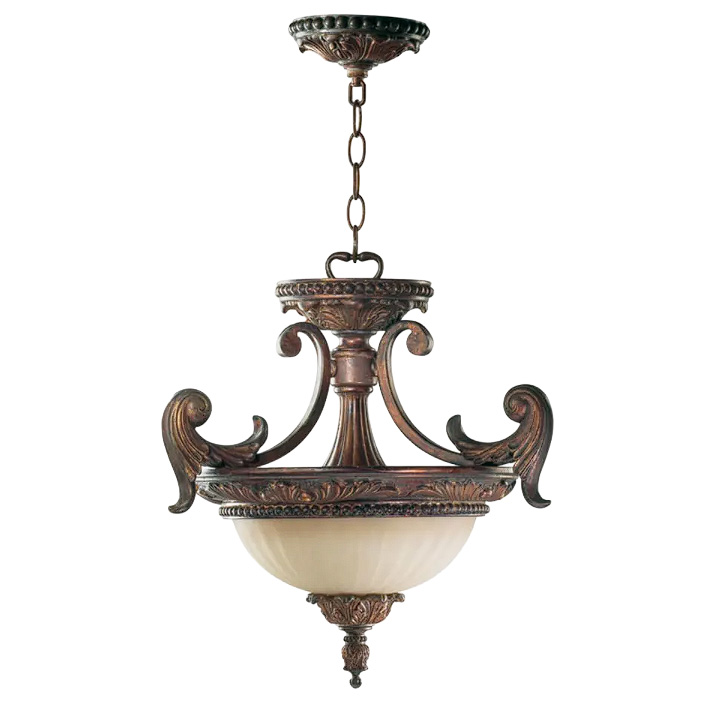
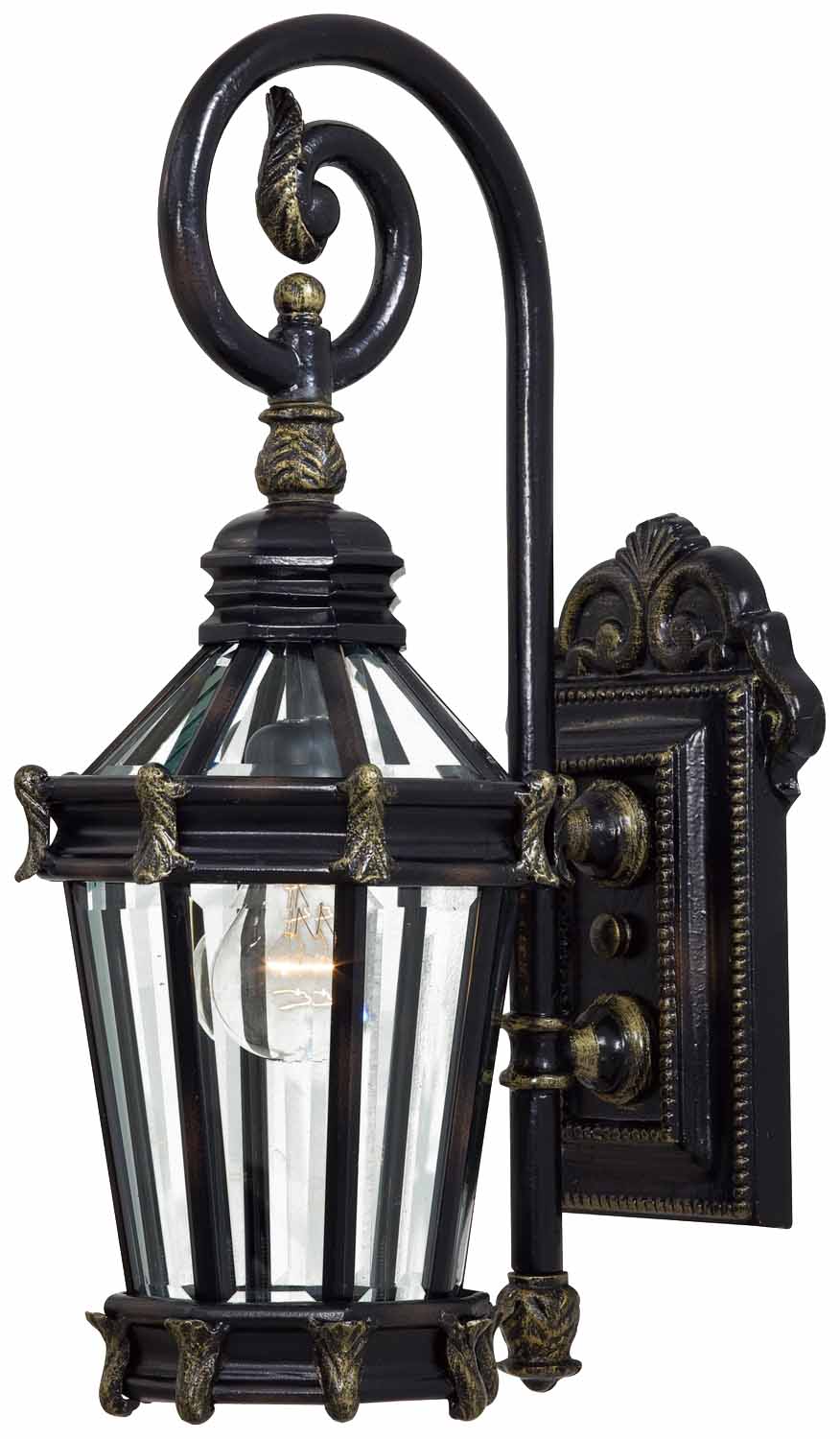
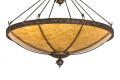
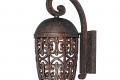
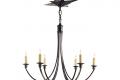
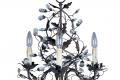
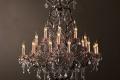
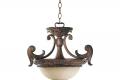

Even to this day, European lighting styles are influenced by architectural motifs from the medieval period and often seek to portray royalty and luxury. Materials such as wrought iron, brass, gold and crystal defined the craftsmanship of these pieces, as they originally had to be durable and long lasting against the heat and smoke created as a result of using real candles and oil for an open flame
The Baroque period was defined by flourishing, dramatic patterns and architecture—which certainly transferred into the lighting design. Brass, bronze and crystal were the primary materials used for durability and longevity.
As an evolution of the Baroque period, Rococo lighting was a more playful and delicate take on tradition, emphasizing asymmetry, pastels and floral motifs.
Victorian lighting took an emphasis on architectural balance and decorative complexity. Dark brass and glass or crystal defined the Victorian material palette, often adorned with etched designs and crystal drops.
Bringing in influence from Greek and Roman design, neoclassical lighting transitioned toward clean lines, symmetry and a more understated luxury look. Neoclassical lighting fixtures blend historical influences with modern sophistication.
