

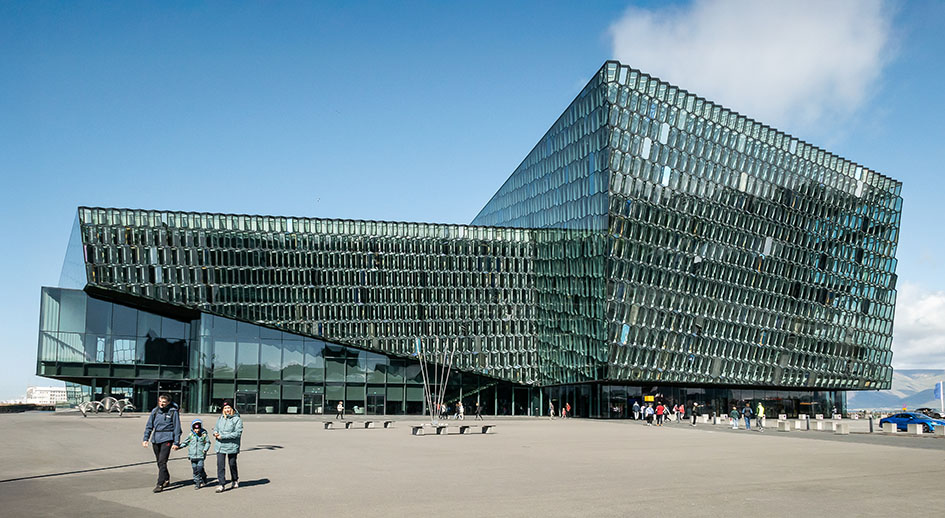
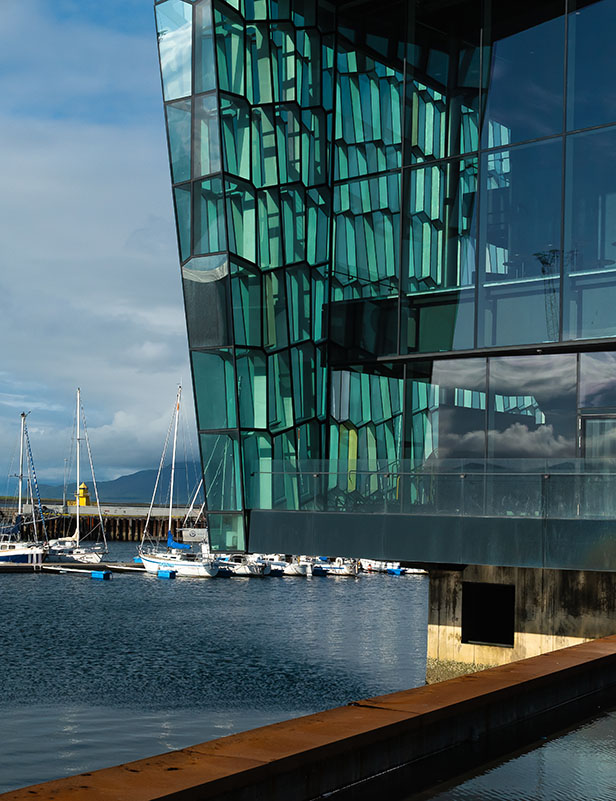
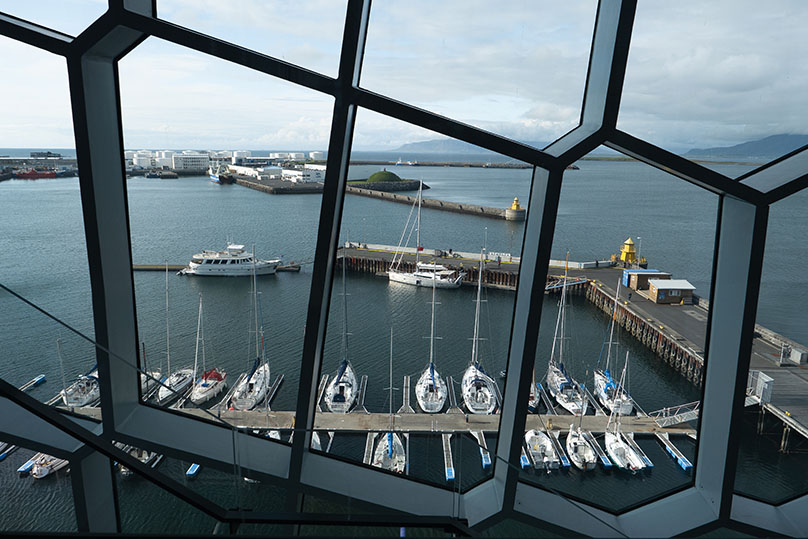
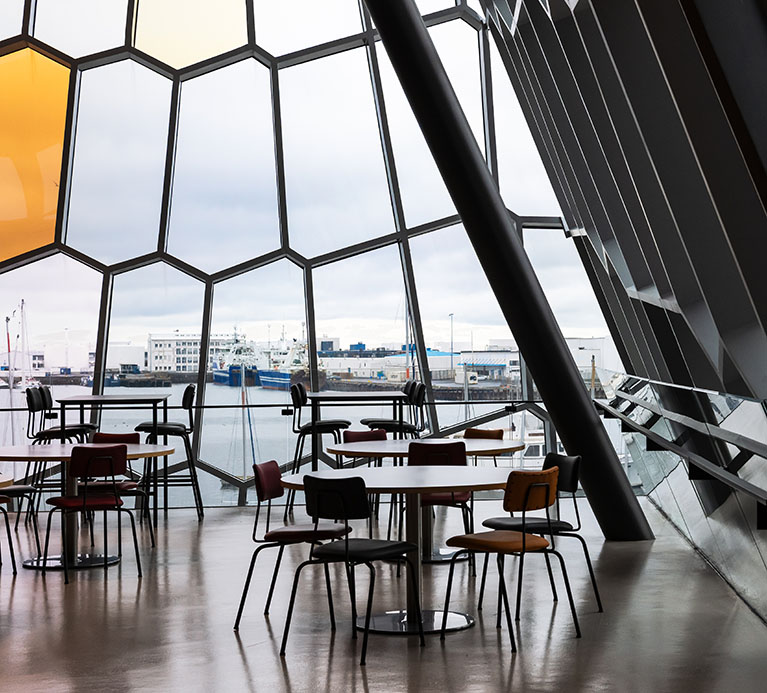
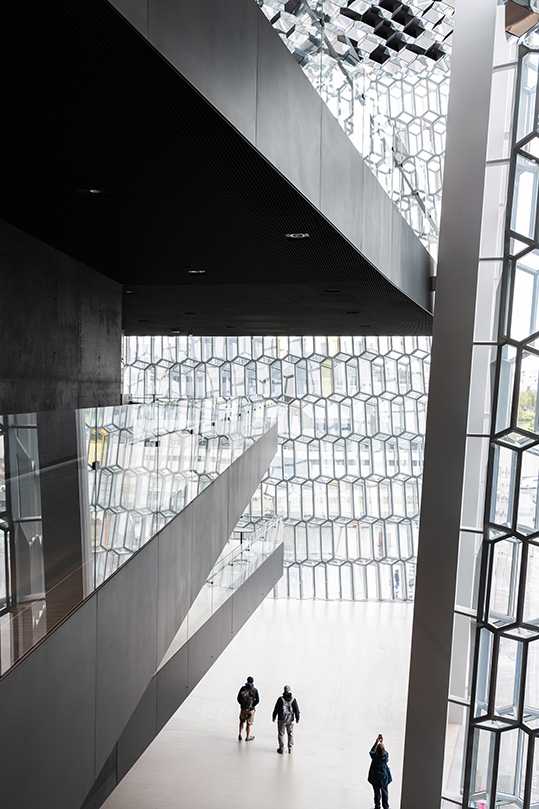
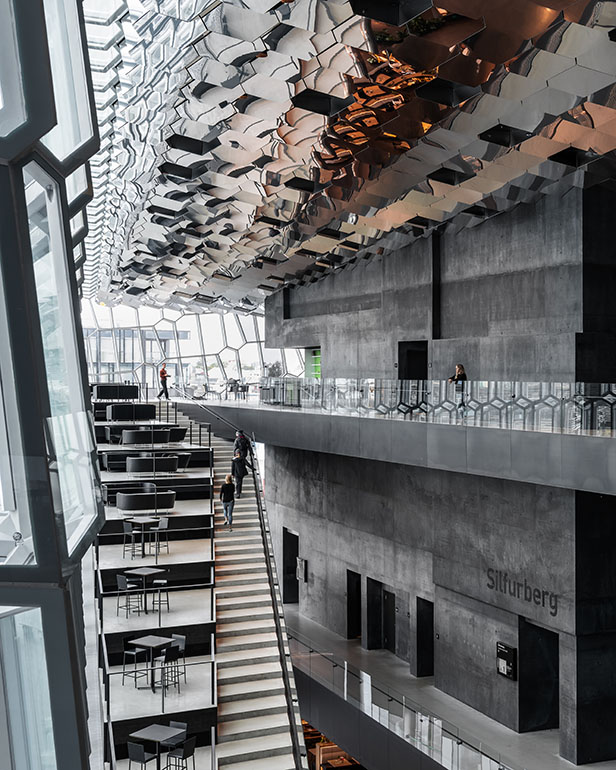
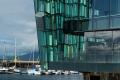
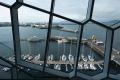
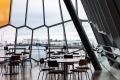
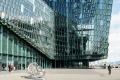
Seated on the waterfront of Faxaflói Bay in downtown Reykjavík is a glorious architectural epicenter and work of art. Panoramic views of the Esjan mountain range can be seen from inside, while natural rock formations of the Icelandic coast are reflected by the shape of the glass panes on the outside. A hub for culture and community, the Harpa is a world-renowned landmark for locals and visitors alike.
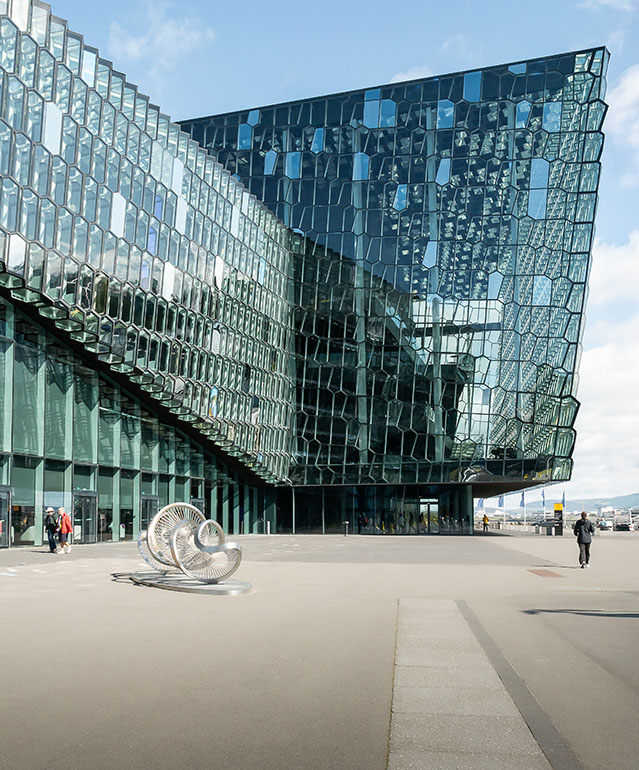
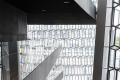
The inspiration for the shapes in the faceted glass exterior comes from a desire to pay homage to the Icelandic landscape. Artist Ólafur Elíasson collaborated with the architects to design the iconic glass facade to mimic the weathered interlocking hexagonal basalt columns found along Iceland’s coasts. Each facet of glass literally reflects a small piece of the surrounding landscape, drawing the visitors to admire the city’s foundation within nature.
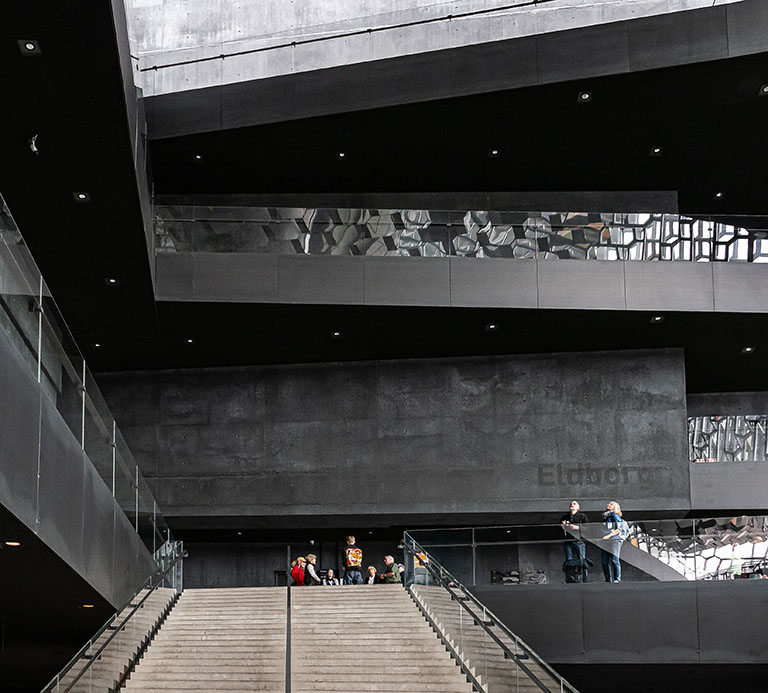
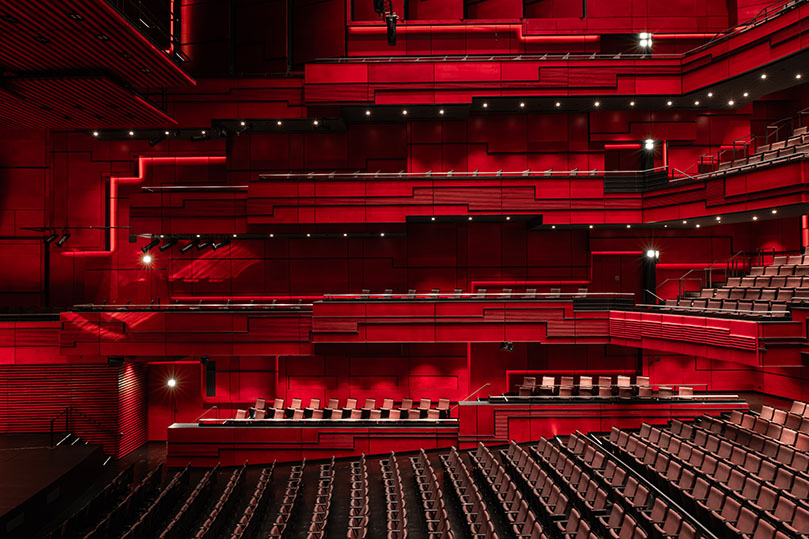
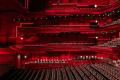
Created to be a venue for music and conferences, Harpa has four auditoriums with flexible acoustics suited for a range of event types. Eldborg, the largest hall, seats up to 1,800 guests and is named after Iceland's renowned volcanic crater, translating to "Fire Mountain."
Harpa’s name itself is derived from the Icelandic word 'harp,' which signifies the beginning of Spring in the old Nordic calendar. While a nod to its role as a center for music and performance, this name also represents the Harpa as a beacon of change and rebirth. In the midst of its development, the project was interrupted by the 2008 financial crisis and its effects on Iceland’s economy. Despite challenges, the team decided to continue production, and the Harpa was finished and ready to open in 2011. Now the building serves as a reminder of perseverance and Iceland’s valiant revival—like a phoenix rising from the ashes.
Today, the Harpa holds its place as a world famous landmark and Iceland’s most visited public attraction. Its story is as legendary as its beautifully steadfast appearance in one of Iceland’s biggest cities. To visitors, it receives respect and admiration, but to the people of Reykjavík, it is a fundamental aspect of the place they call home.
