





Incorporating vines into the garden can seem like a great idea, yet an intimidating one. Deciding on where you want them to grow and what purpose you hope them to serve is the easiest way to start. Whether it's to decorate fences, trellises, walls, groundcover or even fill pots, there are plenty of options for any situation. Additionally, vines can be used for privacy and shade with some intentional planning. With the proper knowledge of how to select and care for vining plants, both a green space or a hardscape can be turned into a lush, sophisticated oasis.
Clematis
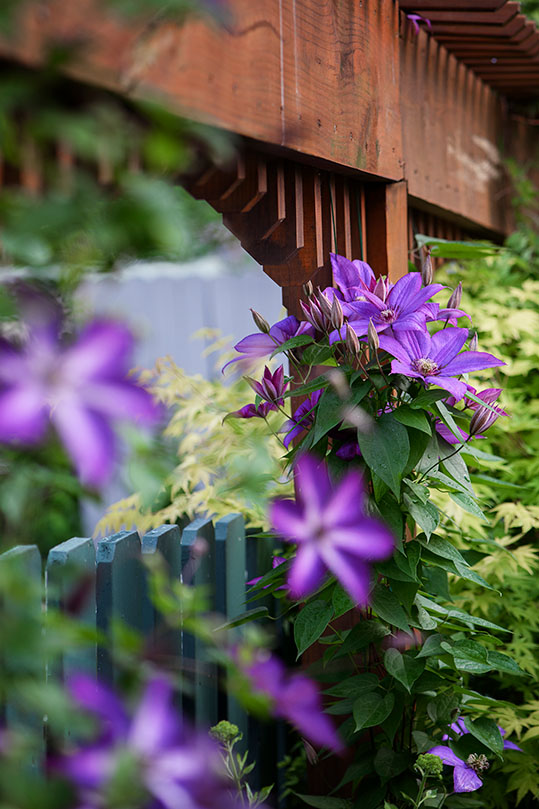
One of the most decorative types of vine used in midwest landscaping is the Clematis. Coming in several different colors and varieties, the flowers of this vine can range from making a big statement or adding a subtle pop of color.
All types of Clematis prefer light, loamy, well-drained soil with a pH between 6.5 and 7. They require constant soil moisture and prefer east facing walls rather than north. Full sun on the leaves in combination with a shaded base is the ideal placement. Some varieties will stay between 8-10 feet in climbing height, while others may spread up to 30 feet, so choosing a variety that is right for your garden space and diligence for pruning is imperative.
Arbors, trellises, rocks, stone walls and fences are all places that clematis can thrive happily and some color to the garden.
Honeysuckle
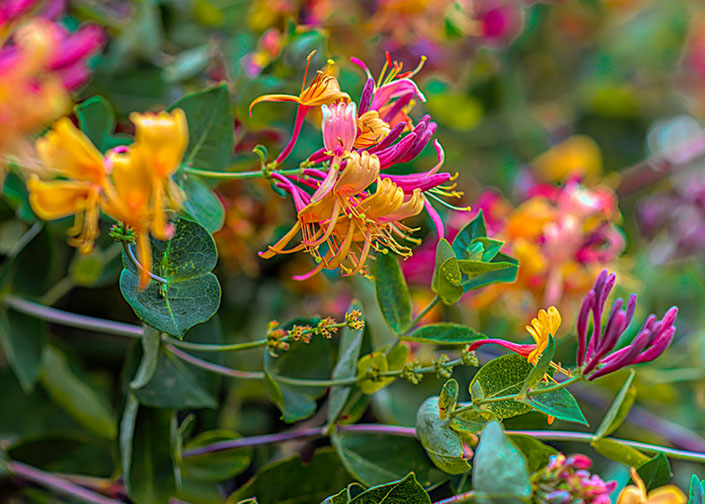
While some species of honeysuckle are known to be invasive—don’t be intimidated. There are a few safe options that are easy to manage and draw great pollinators, like hummingbirds, to the rest of the garden. These variations include the scarlet trumpet honeysuckle, everblooming honeysuckle and perfoliate honeysuckle.
Honeysuckle is typically considered an easy-to-grow plant due to its resilience to disease, insects and pruning, as well as its tolerance for most soil types. Most species will grow between 15-20 in height. The main focus of care should be the soil’s moisture content, as honeysuckle will not do well in overly wet or low-lying areas of the garden.
As a twining vine, honeysuckle likes to wrap around vertical stakes or trellises. With some effort, it could also be trained to climb walls as well in order to fit your garden’s needs. Alternatively, honeysuckle can be a very bushy plant and can be used as a shrub in ways that can enclose a space for privacy or shade if properly pruned and maintained.
English Ivy
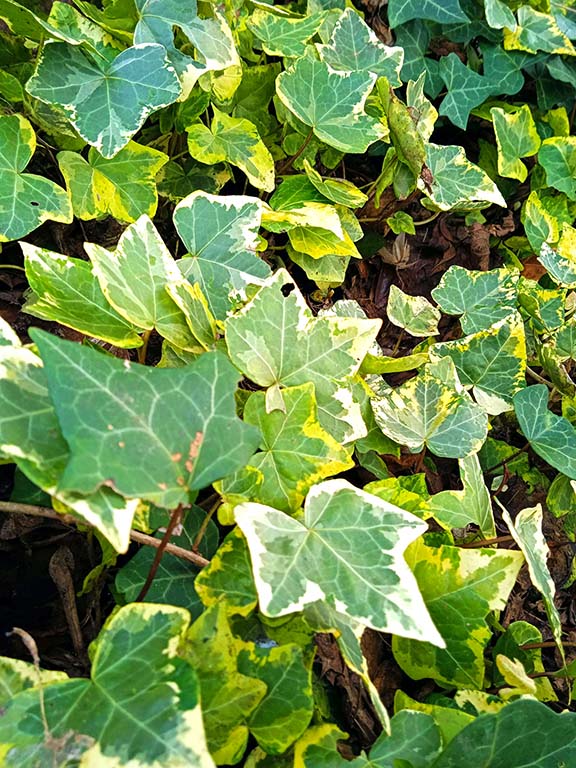
As groundcover, decoration on fences and walls or even in pots, this vine can add some desired texture to the garden or cover for areas that are less appealing to the eye on their own. The dark green leaves with light veining of English ivy make for a more subtle addition to the look of a garden.
English ivy is a highly resilient, easy to manage indoor or outdoor vine due to being an evergreen plant. It prefers cool, moist, shadier areas, and will struggle to grow on southern facing walls due to being scorched by the sun. Vines that grow to reach maturity may produce small green flowers that fruit into clusters of berries.
A fair warning follows this plant: if left unchecked, its roots can damage paint and work its way into cracks in siding, bricks and wood which can be destructive. When pruning, sever the vine close to the ground, then remove the unwanted sections once the vines are dried and dead. Removing a live vine can end up causing more damage!
Virginia creeper
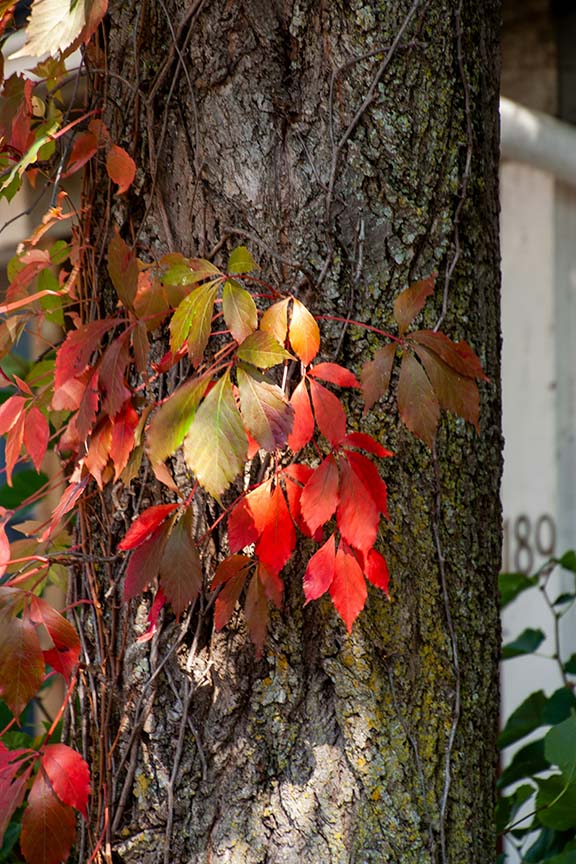
An option that is both unique and a native to Missouri, the Virginia creeper is a vine that adds interesting shape and color to the garden. Its leaves start as a purple-green in the spring, then turn a bright red color in the early months of fall, making it one of the first pops of color of the season. These leaves grow in bunches and droop outwards from a center stem on each branch. In the fall it produces small green flowers that turn to small black berries before dropping its leaves for the season.
Being a native makes this plant very easy to manage—regular pruning is the extent of care that the Virginia creeper would need in order to be kept in an orderly garden, as it can climb up to 50 feet on the ground or walls. It is tolerant to varying soil types, sunlight levels and moisture. This plant could thrive anywhere from fences and walls to in large, open beds.
