



Spring through early summer is the season most commonly associated with blooming flowers, so designing flower beds that can flourish all year can feel like a difficult task. Luckily, Missouri has an array of native perennials that thrive in the late summer and early fall months that are relatively easy to plant and take care of and look great, too!
Sustainable Perennials
Since these plants are native to Missouri, they aren’t too picky about the soil contents or moisture level. Many of these plants have been found in dry, rocky plains and will thrive in whatever flower beds you have available. Most native wildflowers are also perennials, meaning that they either reseed or regrow from a bulb every year on their own. They also attract lots of butterflies, hummingbirds and other pollinators that will benefit the rest of your garden. It may be especially useful to plant these native flowers near any fruit and vegetable plants to increase the quality and yield of fall produce.
Bright Pairings
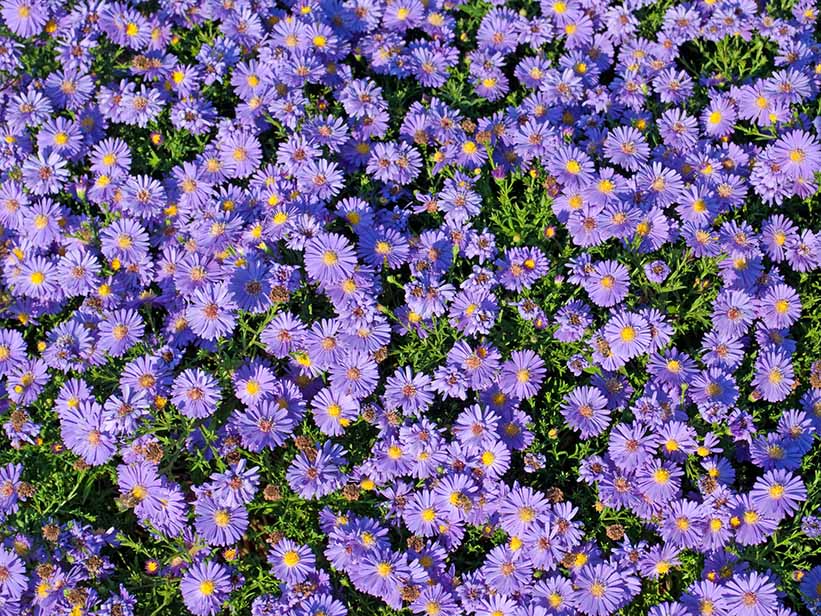
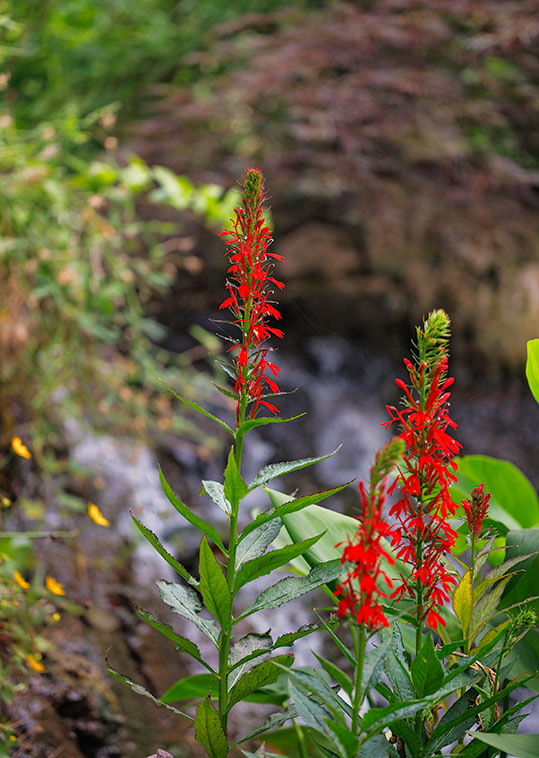
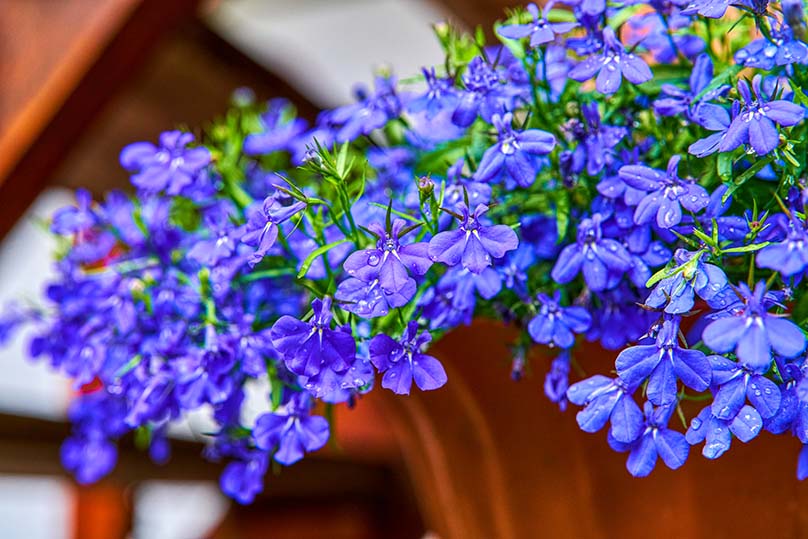
Missouri’s fall wildflowers come in shades of yellow, red, purple and even some blue. This palette provides a lot of options depending on whether a complementary or analogous color scheme is more fitting for your landscaping. Several types of asters can bring purples, and paired with the yellows of goldenrod, can create a nice complementary pop. Cardinal flowers bring fiery reds and brown stems that look great with similar colored blooms or even alone due to their natural opposition to their green foliage. Some lobelia grow similarly on a tall stem with smaller, bell-shaped flowers that bloom bottom-to-top, but some also grow closer to the ground with a fuller look. They can come in shades of purple, blue and white, and like cardinal flowers, make a great statement on their own.
Layering and Placement
Depending on the type, asters can bloom all the way through summer and into fall and also vary in both height and spread, meaning there are options for where they can fit into the design of your garden. Goldenrod, on the other hand, can grow fuller and fluffier and tolerates more shade, so this flower makes a good option for layering and groundcover. These two options also work together due to their tolerance for dry, rocky soil. For areas of the garden that tend to hold more moisture, cardinal flowers and lobelia are good options that are resilient to deer and rabbit populations. Both are medium-height plants that grow upright with less spread and look great in a variety of spaces. Types of lobelia that grow closer to the ground can be used as edging plants to line paths or in pots and hanging baskets as fillers or spillers.
Maintenance
Perennials can be used in both structured and informal gardens depending on the type. Some species can be more aggressive than others. Most will prefer extra space and try to spread naturally on their own terms, so less structure will likely be easier to maintain, but that should not be a hindrance to a dedicated gardener.
Asters can spread through naturally reseeding fast. Pinch off about one-third of total flowering stems before they bloom to reduce overgrowth and extend the flowering period. With how large they can get, aster plants may need to be divided by the root every four years.
Prune goldenrod stem tips early in the season to help them grow fuller and bushier before flowering, and doing the same with dead flowers can extend the bloom season. This may be a priority, as they are known to seed aggressively.
Lobelia need less maintenance with pruning but should be watered often and fertilized about once a month. It is also typically only considered a perennial in hotter climates, so it likely needs encouragement to survive cold winters. Covering the plant with a tarp to shield it from frost or bringing potted stems indoors should help this process.
Cardinal flowers are a type of lobelia and are relatively similar, though they are known to spread much faster, meaning pruning is necessary to keep it in check. They also require more water and less fertilizer than their purple counterparts.
